Get Shrub Replacement
Shrub replacement services help property owners update or remove overgrown, damaged, or unwanted shrubs by connecting them with local contractors for professional removal and planting.
If you're considering shrub replacement for your property, you're in the right place to explore your options. Many property owners in the area evaluate their landscape’s health and appearance, especially when shrubs become overgrown, diseased, or no longer suit their aesthetic goals. Planning such projects involves assessing the current landscape, selecting suitable replacement plants, and coordinating with experienced service providers who can handle the work efficiently and effectively. Continuing to compare local contractors can help ensure the right fit for your specific needs and preferences.
Finding the right local contractors for shrub replacement can make a significant difference in the outcome of your project. These professionals bring local knowledge of plant varieties suited to the area and understand how to work within existing landscape elements. By exploring different service providers, property owners can identify those with the experience and approach that align with their vision for the space. Keep reading to learn more about how local experts can assist with shrub replacement and help bring your landscape goals to life.
- Shrub Replacement - needed when existing shrubs have become overgrown, unhealthy, or unsightly.
- Hedge Replacement - required if hedges are damaged, sparse, or no longer provide desired privacy.
- Landscape Refresh - appropriate when a garden needs a new focal point or improved curb appeal.
- Garden Overhaul - suitable for replacing outdated or dying shrubbery to rejuvenate outdoor spaces.
- Property Makeover - necessary when redesigning or updating landscaping to match a new aesthetic or function.
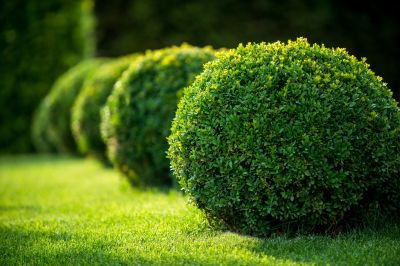
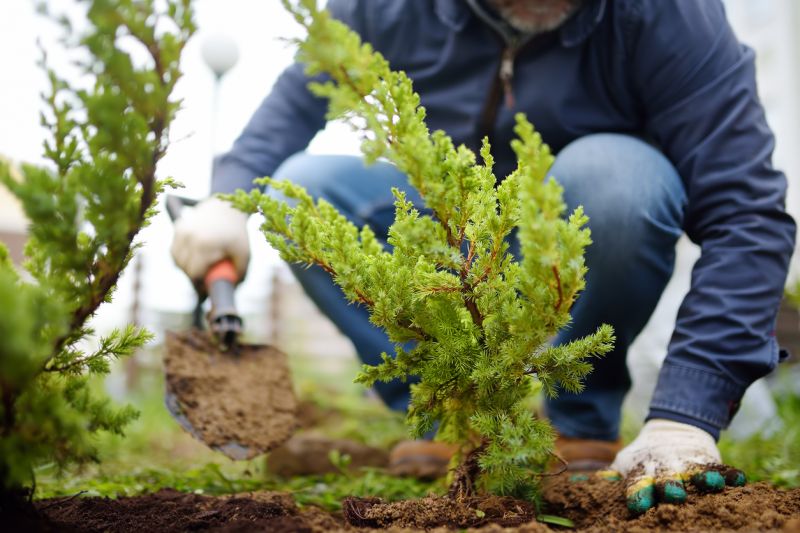
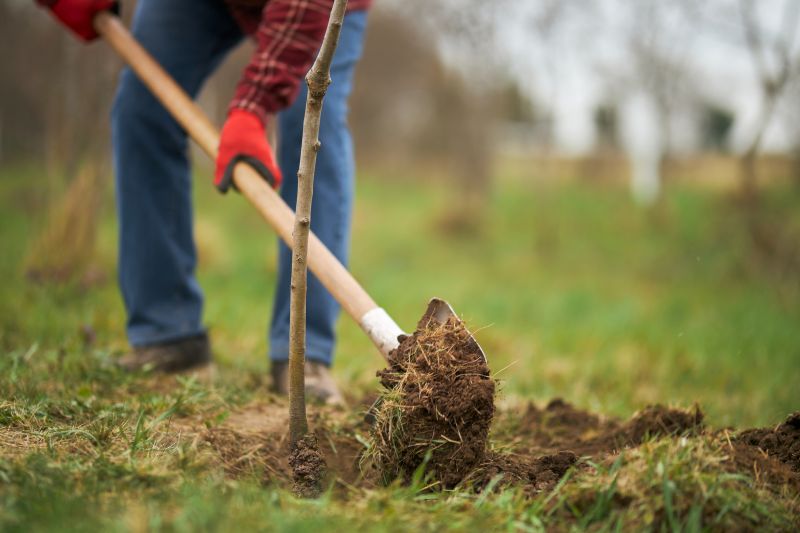
Shrub replacement services involve removing old, overgrown, or unhealthy shrubs and replacing them with new plants that better suit the landscape and homeowner preferences. This process typically includes evaluating existing shrubbery, carefully removing unwanted or dying plants, preparing the soil, and planting new shrubs that match the desired aesthetic or functional needs. These services help improve the overall appearance of a property, making landscapes look more maintained and inviting. They are an effective way to refresh a yard or garden, especially when existing shrubs have become too large, diseased, or have outlived their usefulness.
Many problems can be addressed through shrub replacement, including overgrown or unruly plants that block views, create a cluttered appearance, or interfere with other landscaping elements. Shrubs that are diseased, pest-infested, or have died back can also detract from a property's curb appeal and health. Replacing problematic or unsightly shrubs can help restore a balanced, healthy landscape while reducing ongoing maintenance issues. Additionally, replacing older or poorly suited plants can enhance privacy, improve sunlight exposure, and create a more cohesive outdoor environment.
The types of properties that typically utilize shrub replacement services range from residential homes to multi-family complexes and commercial properties. Homeowners often seek these services to upgrade their front yard, backyard, or garden areas, especially when their current shrubs no longer serve their purpose or have become an eyesore. Larger properties, such as apartment complexes or office buildings, may also require shrub replacement to maintain a professional and welcoming appearance. These services are suitable for any property where landscape improvement, aesthetic enhancement, or problem-solving with existing shrubbery is needed.
Homeowners may consider shrub replacement when their current landscape has become overgrown, unhealthy, or mismatched with their design goals. It can also be a solution for properties experiencing issues with pests, disease, or plant decline. Whether preparing for a new landscaping project or simply seeking to improve curb appeal, many property owners find that replacing old or problematic shrubs with new plants can significantly enhance the look and feel of their outdoor spaces. Local contractors who specialize in shrub replacement can provide guidance and services tailored to the specific needs of each property.
The overview below groups typical Shrub Replacement projects into broad ranges so you can see how smaller, mid-sized, and larger jobs often compare in your area.
In many markets, a large share of routine jobs stays in the lower and middle ranges, while only a smaller percentage of projects moves into the highest bands when the work is more complex or site conditions are harder than average.
Smaller Repairs - Typically, local contractors charge between $100 and $300 for minor shrub replacements, such as replacing a few bushes or small clusters. Many routine jobs fall within this range, making it a common cost band for simple updates.
Standard Replacement - For replacing multiple shrubs or larger plantings, costs generally range from $250 to $600. Most projects of this scope are priced within this band, depending on the number and size of plants involved.
Full Shrub Rejuvenation - Larger, more complex shrub replacement projects can range from $1,000 to $3,000, especially when involving extensive landscaping or removal of mature plants. Fewer projects push into this higher tier, which covers more involved work.
Complete Landscape Overhaul - Extensive shrub replacement as part of a total landscape redesign can exceed $5,000, depending on the scale and complexity. Such large projects are less common but handled by experienced local service providers for comprehensive results.
Actual totals will depend on details like access to the work area, the scope of the project, and the materials selected, so use these as general starting points rather than exact figures.
Landscape Design and Planning - Professionals in landscape design often work on plant selection and placement, similar to shrub replacement projects that require careful planning for aesthetic and functional purposes.
Garden Bed Installation - Installing new garden beds involves soil preparation, planting, and layout planning, skills closely related to shrub replacement and landscape enhancements.
Tree Trimming and Pruning - Trimming and pruning trees require knowledge of plant health and growth, which complements shrub replacement services focused on maintaining healthy, attractive landscapes.
Soil Preparation and Mulching - Preparing soil and applying mulch are essential steps in plant health and landscape aesthetics, often performed alongside shrub replacement projects.
Hedge Trimming and Shaping - Shaping and maintaining hedges involves precise trimming techniques, similar to the work involved in shrub replacement for uniformity and visual appeal.
Landscape Maintenance - Ongoing landscape upkeep includes shrub care and replacement, making it related to services that keep outdoor spaces vibrant and well-maintained.
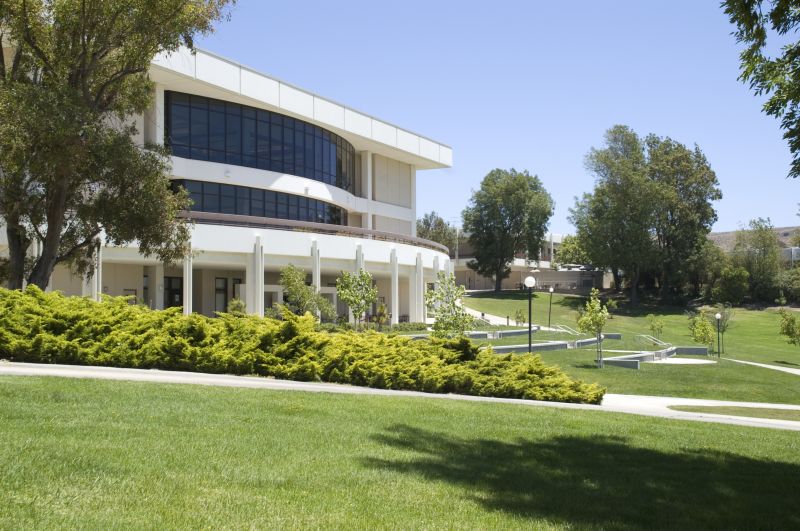
When comparing service providers for shrub replacement, it’s important to consider their experience with similar projects. Homeowners should look for local contractors who have a proven track record of handling shrub replacement or related landscaping tasks. An experienced professional will understand the nuances of different plant varieties, soil conditions, and site-specific challenges, which can help ensure the job is completed effectively and with long-lasting results. Gathering information about how long a contractor has been working in the community and their familiarity with local plant species can provide insight into their expertise.
Clear written expectations are essential when evaluating potential service providers. Homeowners should seek out professionals who can provide detailed descriptions of the scope of work, including the types of shrubs to be replaced, the methods used, and any necessary preparation or cleanup. Having a well-defined plan helps prevent misunderstandings and ensures everyone is on the same page. It’s also helpful to request documentation or written proposals that outline the services offered, so expectations are transparent from the start.
Reputable references and good communication are key factors in selecting a reliable contractor. Homeowners should ask for references from past clients who had similar shrub replacement projects and follow up to learn about their experiences. A contractor who maintains open, prompt, and clear communication throughout the process is more likely to deliver a smooth experience. Remember, this site introduces homeowners to local options for shrub replacement services, but it does not perform the work itself. Connecting with qualified local service providers allows homeowners to find professionals who can meet their specific needs and preferences.
Property owners use Shrub Replacement services for practical projects around their homes and businesses. This guide focuses on everyday jobs and straightforward project options.

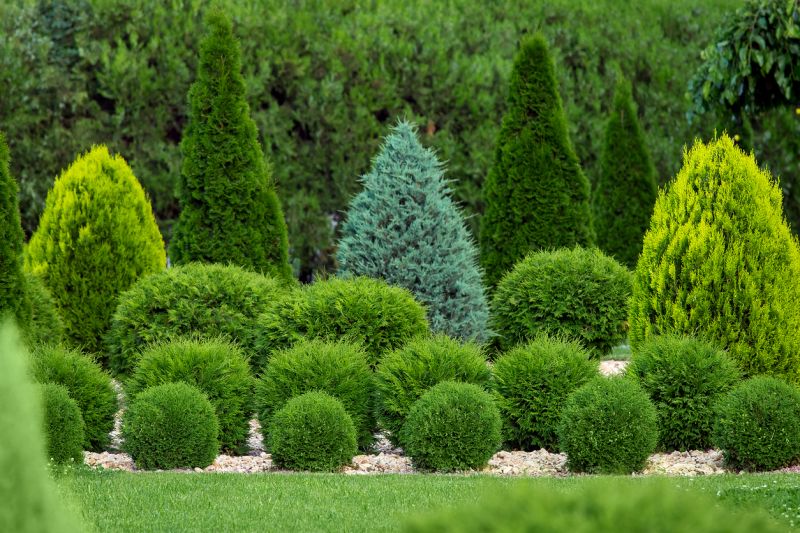
Shrub replacement services are often needed when property owners notice their existing shrubs have become overgrown, damaged, or unhealthy. Whether shrubs have outgrown their space, are showing signs of disease, or have suffered from harsh weather, local contractors can provide expert removal and new planting options to improve curb appeal and landscape health. These projects are common for homeowners looking to refresh their yards or address plant issues that affect the overall appearance of their property.
In addition, property owners may seek shrub replacement when upgrading their landscaping design or preparing a yard for seasonal changes. Replacing old or unattractive shrubs can help create a more cohesive and vibrant outdoor space. Local service providers can assist with selecting suitable varieties, ensuring proper planting techniques, and enhancing the overall aesthetic of residential or commercial landscapes.
What types of shrubs can be replaced? Local contractors can handle a variety of shrub types, including evergreen, deciduous, flowering, and ornamental shrubs, to suit different landscape needs.
How do I know when a shrub needs replacement? Signs include overgrowth, disease, damage, or declining health that cannot be restored through pruning or treatment, prompting the need for replacement.
What should I consider before replacing a shrub? Factors such as soil condition, sunlight exposure, plant compatibility, and the overall landscape design should be reviewed when planning shrub replacement.
Can existing shrub roots be reused during replacement? Typically, existing roots are removed during replacement, but a local contractor can advise on whether any parts can be preserved or need complete removal.
What are common reasons for choosing shrub replacement? Reasons include aesthetic improvement, addressing plant health issues, controlling growth, or updating landscape design to match current preferences.
Improve curb appeal - Replacing overgrown or damaged shrubs can refresh the appearance of a property and enhance its overall look.
Prepare for a sale - Shrub replacement services can help property owners create an inviting landscape that attracts potential buyers.
Address landscape issues - Replacing unhealthy or invasive shrubs can promote healthier plant growth and maintain landscape balance.
Update garden designs - Incorporating new shrub varieties can modernize outdoor spaces and complement existing landscape features.
If you are thinking about Shrub Replacement for a property, this guide is meant to help you understand the work, the typical project types, and how different options might fit your plans.
When you are ready, you can use the quote form on this page to share a few details about your project. From there, local pros can review the basics and respond with options that match what you have in mind.